DIY vs Professional Installation of Smoke Alarms
Table Of Contents
Regulatory Requirements for Smoke Alarms
Smoke alarms are critical for enhancing safety in residential and commercial buildings across Australia. Regulatory requirements vary by state and territory, but all follow the basic principles set out by national standards. Typically, properties must have smoke alarms installed in specific locations, such as hallways and sleeping areas. Compliance ensures that alarms are not only present but also functional, with regular maintenance checks mandated to guarantee operability.
Local legislation may impose additional requirements regarding the types of smoke alarms used. For instance, some areas require interconnected alarms that alert occupants throughout the property if one alarm detects smoke. Failure to comply with these regulations can lead to fines and increased insurance premiums. Thus, understanding the specific requirements of your locality is essential for proper installation and ongoing safety management.
Local Legislation and Standards
Smoke alarms in Australia are governed by specific legislation that varies from state to state. Each jurisdiction has its own set of standards outlining the type, placement, and maintenance of smoke alarms. For instance, some states mandate interconnected smoke alarms throughout residential properties, while others specify particular requirements for battery types. These regulations are designed to enhance fire safety and ensure that all residences are adequately protected against fire hazards.
Local legislation also dictates the frequency of inspections and the responsibilities of property owners and landlords. Many regions require landlords to ensure that smoke alarms are installed and functional before tenants move in. Regular checks are often mandated to confirm that alarms meet the current safety standards. Compliance with these regulations is crucial, as non-adherence can result in significant fines and, more critically, compromise the safety of occupants.
Comparing Installation Processes
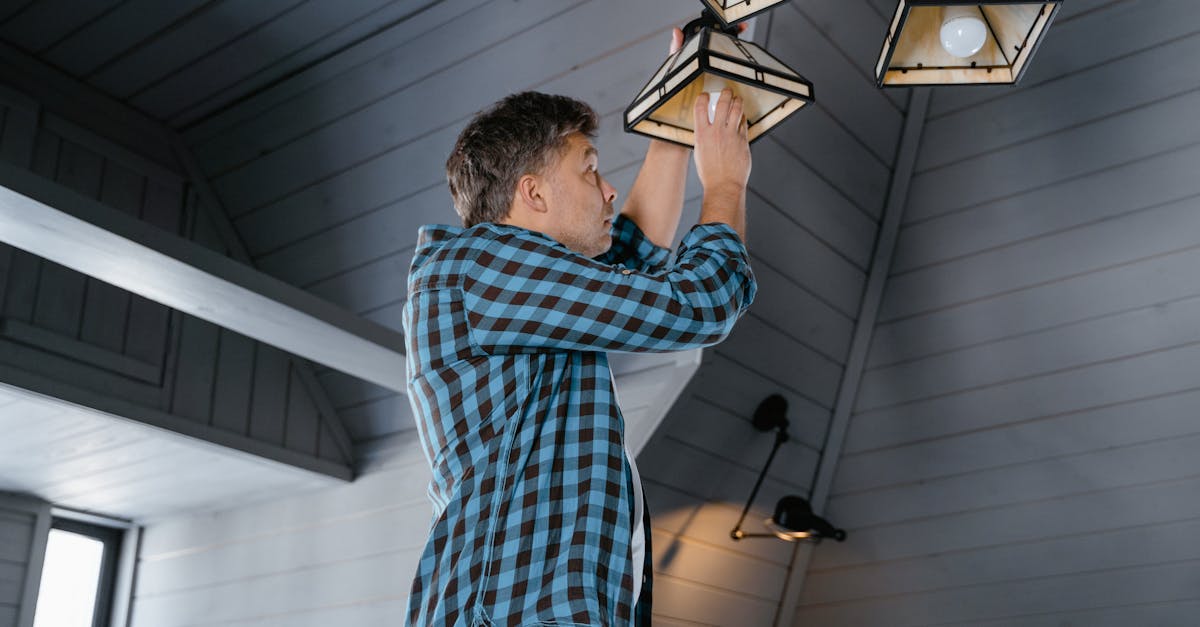
When considering the installation of smoke alarms, many homeowners weigh the merits of DIY versus professional methods. The DIY approach often appeals to those looking to save money or tackle a weekend project. It generally involves purchasing the alarm, reading the instructions, and mounting the unit, making it a straightforward process for those with basic handyman skills. Homeowners can select their preferred models, ensuring they meet personal specifications and preferences. On the other hand, assessing the proper placement requires some understanding of fire safety guidelines, as incorrect installation may lead to inadequate coverage.
Engaging a professional installer can bring several advantages, particularly concerning adherence to regulatory standards. Professionals are knowledgeable about local legislation, ensuring that all installation practices comply with relevant requirements. They can also offer expert advice on the best locations for maximum effectiveness. The installation process might be more streamlined and quicker, reducing the likelihood of errors. Professionals typically provide guarantees on their work, giving peace of mind that the smoke alarms are correctly fitted and functioning as intended.
Step-by-Step DIY vs Professional Approach
For those opting for a DIY installation of smoke alarms, the process generally begins with selecting the appropriate types of alarms based on the space and requirements. After gathering the necessary tools, home-owners should carefully read the manufacturer’s instructions. It is essential to choose suitable mounting locations on ceilings or high on walls, away from air vents and corners. Drilling holes and securing the mounting brackets follow, ensuring that the alarms are installed firmly. After installation, testing each unit is crucial to confirm functionality.
Choosing professional installation offers a different experience. Experts assess the premises to determine the most effective locations for smoke alarms, taking into account factors such as room layout and fire safety regulations. They handle all technical aspects, including driving installation in compliance with local codes. Following installation, professionals often provide guidance on maintenance and testing, ensuring that homeowners understand how to manage their alarms effectively for ongoing safety. This can create peace of mind as installation is carried out by those with specialised knowledge and experience.
Maintenance of Smoke Alarms
Regular maintenance of smoke alarms is essential for ensuring they function effectively. Homeowners should test their alarms monthly to verify that they emit the necessary sound when the test button is pressed. Additionally, cleaning the alarms every six months is crucial to remove dust and debris that may hinder their performance. Battery replacement should occur at least once a year, although many experts recommend doing so more frequently to ensure a reliable power supply.
Professional services can offer thorough inspections, providing peace of mind that every aspect of the smoke alarm system is up to standard. Expert technicians check for compliance with local regulations and test the entire system to confirm that alarms are interconnected and functioning properly. Following their recommendations for maintenance can help extend the life of the smoke alarms, ensuring maximum safety in case of a fire.
Self-Inspection vs Professional Services
Regular self-inspection of smoke alarms plays a vital role in ensuring safety within a home. Homeowners can easily check that alarms are functioning correctly by testing them monthly and replacing batteries as needed. Dust and debris can accumulate over time, potentially affecting performance. A visual inspection of the alarm's exterior as well as ensuring proper placement away from cooking appliances and airflow can help maintain effectiveness.
Relying on professional services for smoke alarm maintenance provides an added layer of assurance. Technicians bring specialised knowledge and tools that can identify issues not easily detectable by homeowners. They often conduct comprehensive inspections, including checking connections, ensuring compliance with local regulations, and determining optimal placement strategies. This professional approach can lead to enhanced reliability and peace of mind, particularly in larger properties or multifamily dwellings where thorough checks are crucial.
FAQS
What are the regulatory requirements for smoke alarms in Australia?
In Australia, smoke alarms must comply with local legislation and standards, which vary by state. Generally, smoke alarms must be installed in every bedroom, hallway, and on each level of the home. It's essential to check your local requirements to ensure compliance.
Can I install a smoke alarm myself, or should I hire a professional?
You can install a smoke alarm yourself if you feel comfortable with basic DIY tasks. However, hiring a professional can ensure proper installation, compliance with local regulations, and peace of mind knowing the system is functioning correctly.
What are the key differences between DIY smoke alarm installation and professional installation?
DIY installation typically involves purchasing the smoke alarm, following the manufacturer's instructions, and installing it yourself. Professional installation, on the other hand, includes an assessment of your property, proper placement of alarms, and adherence to local regulations, providing a more thorough and reliable setup.
How often should I inspect my smoke alarms?
It's recommended to test your smoke alarms monthly and replace the batteries at least once a year. Additionally, smoke alarms should be replaced every 10 years or according to the manufacturer's guidelines.
What maintenance can I perform on my smoke alarms?
You can perform self-inspections by testing the alarm monthly, cleaning it to remove dust and debris, and ensuring the batteries are functioning properly. However, professional services can provide a more comprehensive inspection and maintenance to ensure optimal performance.
Related Links
How to Test and Maintain Your Smoke AlarmsRecommendations for Smoke Alarm Placement in Your Home
Legal Requirements for Smoke Alarms in Australian Homes
The Impact of Smoke Alarm Maintenance on Home Safety
Top Brands for Smoke Alarms in Residential Properties
Understanding the Different Types of Smoke Alarms
Common Smoke Alarm Issues and How to Fix Them