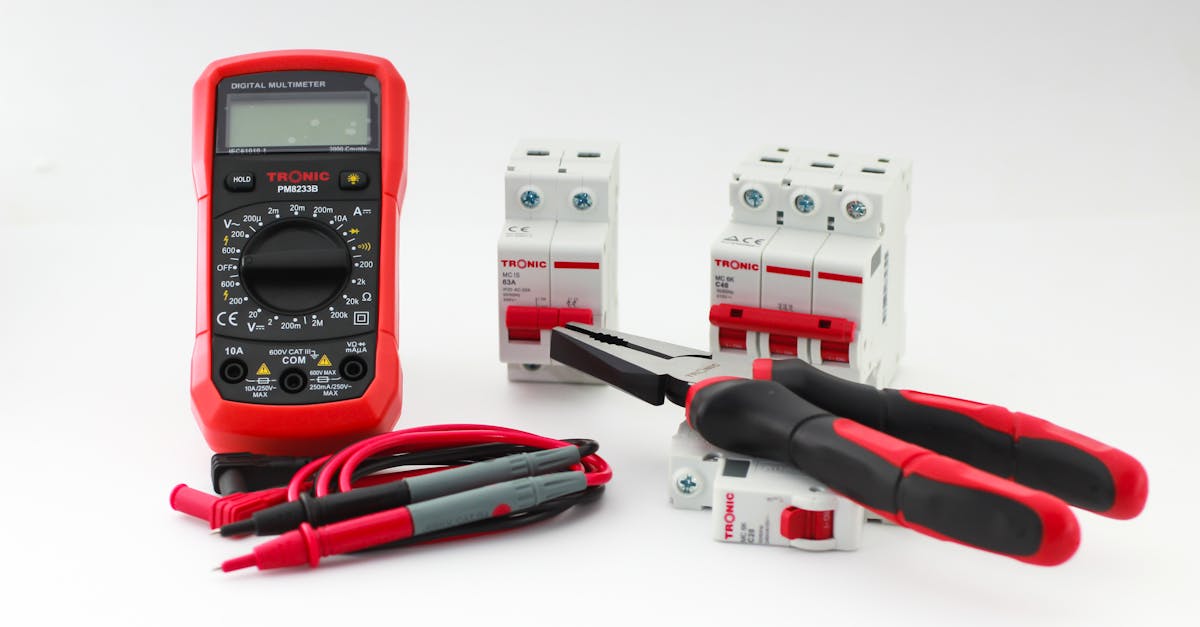
Enhancing Your Home Ambience with Professional Lighting Installation
Table Of Contents
Smart Lighting Solutions for Modern Homes
Incorporating smart lighting solutions can significantly transform the atmosphere of any modern home. These systems offer a range of functionalities, allowing homeowners to adjust brightness, colour temperature, and even schedules through apps or voice commands. This technology is not only convenient but also enhances the user experience by catering to individual preferences. With options like dimmable lights and mood settings, smart lighting can create the perfect environment for any occasion, whether it's a quiet dinner or a lively gathering.
Additionally, smart lighting solutions promote energy efficiency. Many of these systems utilise LED bulbs, which consume less power and have a longer lifespan compared to traditional incandescent lights. Homeowners can track energy use in real-time, enabling them to make informed decisions about their lighting needs. This innovation not only contributes to reduced electricity bills but also supports sustainability efforts by lowering overall energy consumption, making it an advantageous option for environmentally-conscious consumers.
Advantages of Automation and Remote Control
Integrating automation and remote control into home lighting systems significantly enhances convenience and efficiency. Homeowners can adjust their lighting preferences from virtually anywhere using smartphone applications or dedicated remote controls. This flexibility allows for the creation of various moods and settings tailored to different activities, such as reading, entertaining, or relaxing. Additionally, automated systems can be programmed to switch lights on and off at specified times, providing peace of mind and ensuring that lights are not left on unnecessarily.
The benefits extend beyond mere convenience, offering enhanced security for homes. Automated lighting can simulate occupancy by timing lights to turn on and off when residents are away. This feature acts as a deterrent to potential intruders, increasing safety while fostering a comfortable atmosphere. Furthermore, many systems offer energy monitoring capabilities, allowing homeowners to track power usage and make informed decisions about their lighting consumption.
Energy Efficiency in Lighting Choices
Making informed lighting choices can lead to significant energy savings without sacrificing quality. LED bulbs stand out as an efficient option, consuming up to 80% less energy compared to traditional incandescent bulbs. Their longer lifespan also means fewer replacements, making them a cost-effective choice in the long run. This efficiency translates not only into lower electricity bills but also a reduced environmental impact, aligning with sustainable living practices.
When evaluating various lighting options, it is essential to consider lumens as a measure of brightness instead of just wattage. This perspective shifts the focus from energy consumption to the actual light output. Compact fluorescent lamps (CFLs) offer a midpoint between LED and traditional bulbs, providing decent energy efficiency along with a stronger light output than typical incandescents. By assessing both the energy and the brightness needs, homeowners can make smarter choices that enhance their home’s ambience while promoting energy conservation.
Understanding LED vs. Traditional Bulbs
The evolution of lighting technology has led to a significant shift in the types of bulbs commonly used in homes. Traditional incandescent bulbs, while familiar to many, are less energy-efficient and have a shorter lifespan compared to newer alternatives. They convert about 10% of energy into light, with the remainder lost as heat. This not only drives up electricity bills but also necessitates more frequent replacements, adding to environmental waste.
In contrast, LED bulbs offer a more sustainable option for homeowners looking to enhance their lighting systems. They consume up to 80% less energy than incandescent bulbs and can last up to 25 times longer. The initial investment in LED technology may be higher, but the long-term savings on electricity bills and reduced maintenance make them a more economical choice. Furthermore, the versatility of LED lighting allows for a variety of applications, from accent lighting to task-oriented features, providing homeowners with greater flexibility in designing their spaces.
The Role of Natural Light in Home Ambience
Natural light significantly influences the overall atmosphere within a home, creating warmth and inviting spaces. Its ability to change with the time of day adds a dynamic quality, enhancing the visual appeal of interiors. Well-placed windows, skylights, and glass doors not only flood rooms with natural light but also allow for a seamless connection between indoor and outdoor areas, contributing to a sense of openness and freedom.
Maximising sunlight exposure requires strategic planning in the layout and design of a home. Choosing lighter colours for walls and furnishings can amplify the effect of natural light, reflecting it throughout the space. Using mirrors strategically can also help distribute light more evenly, creating brighter and more uplifting environments. Incorporating elements that facilitate direct sunlight, such as open floor plans and unobstructed views, further enhances the overall ambiance while promoting a refreshing and energising atmosphere.
Strategies for Maximising Sunlight Exposure
Maximising sunlight exposure in your home can significantly enhance its ambience. Start by positioning mirrors strategically across rooms to reflect light, creating the illusion of a brighter space. Consider using sheer curtains instead of heavy drapes, allowing natural light to filter through while still providing a level of privacy. Additionally, selecting lighter colour palettes for walls and furnishings can help to amplify the brightness, making areas feel more open and inviting.
Architectural features also play a crucial role in utilising natural light. Opt for skylights or larger windows to invite more sunlight into living spaces. Arranging furniture in a way that keeps pathways clear and does not block light sources is essential. Indoor plants can further enhance the atmosphere, creating a sense of vitality and wellness without obstructing sun exposure.
FAQS
What are smart lighting solutions?
Smart lighting solutions are advanced lighting systems that can be controlled remotely via smartphones, tablets, or voice-activated devices. They often include features such as dimming, scheduling, and integration with home automation systems.
How does automation and remote control benefit my home lighting?
Automation and remote control enhance convenience by allowing you to adjust your lighting from anywhere in your home or even while you're away. This can improve energy efficiency, security, and overall comfort.
What are the energy-efficient lighting options available?
Energy-efficient lighting options include LED bulbs, compact fluorescent lamps (CFLs), and smart lighting systems that can be programmed to reduce energy consumption. These options not only save on electricity bills but also have a longer lifespan compared to traditional bulbs.
What are the key differences between LED and traditional bulbs?
LED bulbs are more energy-efficient, last significantly longer, and produce less heat compared to traditional incandescent and halogen bulbs. While initially more expensive, LEDs ultimately save money over time due to their longevity and lower energy usage.
How can I maximise natural light in my home?
You can maximise natural light by using light-coloured walls and furnishings, strategically placing mirrors, and opting for sheer curtains. Additionally, consider installing skylights or larger windows to increase sunlight exposure throughout your home.
Related Links
Innovative Lighting Designs for Modern Australian HomesTop Trends in Home Lighting for Australian Interiors
Optimising Natural Light in Your Residential Spaces
Common Mistakes in Home Lighting Installation and How to Avoid Them
Designing a Lighting Plan: A Step-by-Step Guide for Homeowners
Energy Efficient Lighting Options for Sustainability in Your Home
Creative Outdoor Lighting Solutions for Australian Homes
How to Choose the Right Lighting Fixtures for Your Living Space
The Importance of LED Lighting in Residential Designs