The Importance of Regular Circuit Breaker Maintenance
Table Of Contents
Tools Required for Circuit Breaker Maintenance
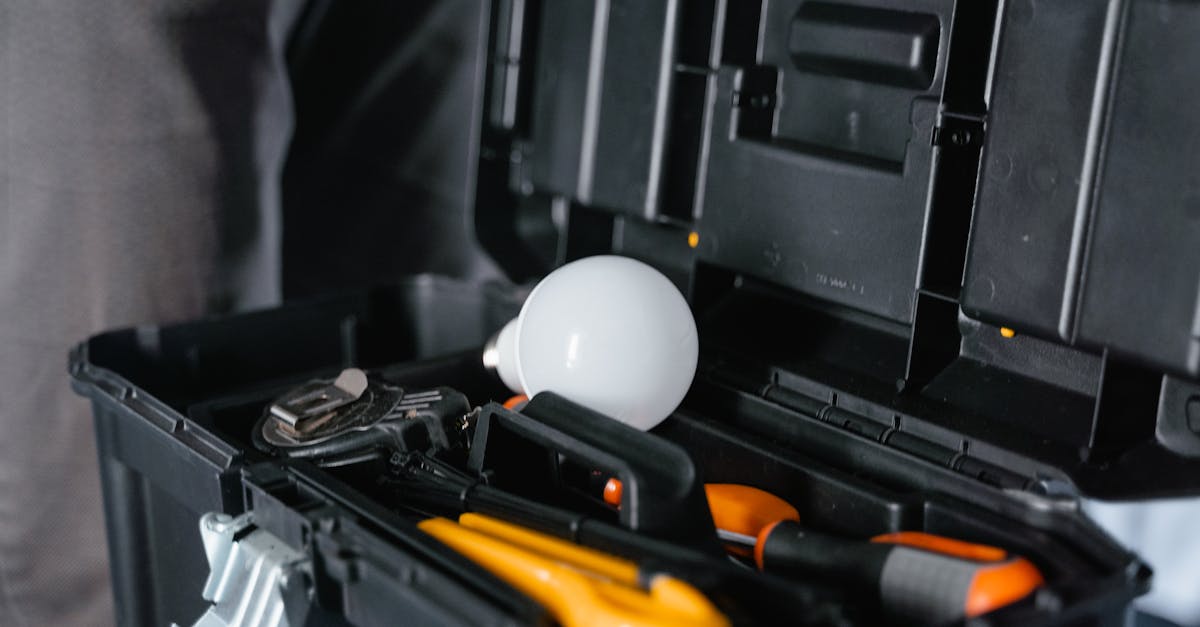
When performing circuit breaker maintenance, having the right tools on hand can significantly enhance the efficiency and safety of the process. Essential tools include a multimeter for testing voltage and continuity, screwdrivers of various sizes for securing and removing cover panels, and insulated pliers for handling wiring. Safety gear such as gloves and goggles should also be included to protect against electrical hazards. A torque wrench can be utilised to ensure that connections are secure and meet manufacturer specifications, reducing the risk of overheating.
In addition to these basic tools, a circuit tracer can be beneficial for identifying circuit paths without extensive dismantling. An inspection mirror allows for better visibility in tight spaces, making it easier to spot any issues. Having a flashlight is also crucial, as proper lighting can help to assess conditions more accurately. As maintenance requires precision and attention to detail, investing in quality tools can improve overall outcomes and promote a safer work environment.
Must-Have Equipment
Regular maintenance of circuit breakers requires specific tools to ensure safety and efficiency. A multimeter is essential for measuring voltage, current, and resistance, helping to identify any irregularities in the breaker’s operation. Insulated screwdrivers are necessary for adjusting connections without risking electrical shock. A torque wrench adds precision when tightening screws to manufacturer specifications, preventing damage to components.
In addition, a grooming brush or vacuum can effectively remove dust and debris from circuit breaker panels, contributing to optimal performance. Safety goggles and gloves protect you from potential hazards during maintenance activities. Using these tools not only enhances the quality of the maintenance work but also promotes a safer environment when handling electrical equipment.
Frequency of Circuit Breaker Maintenance
Regular maintenance of circuit breakers is essential for ensuring the reliability and safety of electrical systems. It is generally recommended that residential circuit breakers undergo initial inspection and testing every three years. This routine check helps identify any signs of wear, corrosion or damage that may affect their performance. For commercial or industrial settings, a more frequent schedule may be necessary due to higher loads and usage. In these environments, maintenance should be conducted annually or even biannually to mitigate risks associated with equipment failure.
The frequency of maintenance can also vary based on external factors. Environments prone to moisture, dust or extreme temperatures may call for more frequent inspections. Additionally, any unusual occurrences such as circuit trips or flickering lights should prompt immediate checks. It is crucial to stay attentive to the performance indicators of circuit breakers. Keeping a proactive approach to maintenance helps prevent costly damages and ensures a safe electrical system for your space.
Recommended Maintenance Schedule
Regular maintenance of circuit breakers is essential to ensure their reliability and longevity. It's generally recommended that homeowners conduct a thorough inspection at least once a year. This includes checking the physical condition, testing operation, and tightening any loose connections. By adhering to this schedule, potential issues can be identified early, reducing the risk of unexpected failures.
For facilities with high electrical demands, more frequent inspections may be necessary. A bi-annual or quarterly schedule may be appropriate, especially in industrial settings or for critical infrastructure. Monitoring environmental factors, such as humidity and temperature fluctuations, can also inform maintenance frequency. Tailoring the schedule to specific usage patterns promotes optimal performance and safety.
Professional vs. DIY Circuit Breaker Maintenance
Homeowners often face the decision of whether to tackle circuit breaker maintenance themselves or hire a professional. DIY maintenance can save money and offer a sense of accomplishment. However, without proper knowledge and experience, there is a risk of overlooking critical issues, which may lead to larger problems down the track. Understanding the electrical system and identifying potential hazards is crucial when considering whether to take on this task.
On the other hand, hiring a qualified electrician ensures that maintenance is conducted safely and efficiently. Professionals bring expertise and specialised tools, which can uncover hidden problems that a layperson might miss. While the initial cost may be higher, the long-term benefits of professional maintenance can outweigh expenses. It is essential to weigh the risks and rewards associated with each option when deciding how to approach circuit breaker care.
Evaluating Your Options
When considering whether to undertake circuit breaker maintenance yourself or to hire a professional, it’s essential to assess your skills and knowledge. Many homeowners might feel confident handling minor DIY tasks but overlooking the complexities of electrical systems can lead to safety hazards. If you have a solid understanding of electrical work, you might save costs by opting for a DIY approach. However, if you are unsure or lack experience, enlisting the help of a qualified electrician can provide peace of mind and ensure the job is done safely and correctly.
Beyond personal skills, the potential risks associated with improper maintenance should factor into your decision. Faulty circuit breakers can pose serious dangers, including electrical fires or equipment damage. Professional services often come with warranties that cover future issues, offering additional security. Evaluating the long-term benefits of professional upkeep against the costs of potential errors can help guide your decision, ensuring both safety and reliability in your electrical systems.
FAQS
Why is regular circuit breaker maintenance important?
Regular circuit breaker maintenance is crucial for ensuring the reliability and safety of your electrical system. It helps to prevent electrical fires, reduces the risk of equipment failure, and ensures that your circuit breakers are functioning correctly to protect your home or business.
How often should circuit breakers be maintained?
It is generally recommended to schedule circuit breaker maintenance at least once a year. However, depending on usage and environmental factors, more frequent checks may be necessary to ensure optimal performance.
Can I perform circuit breaker maintenance myself?
While some basic maintenance tasks can be done by a knowledgeable homeowner, it is often best to hire a professional electrician for comprehensive maintenance. They have the expertise and tools needed to safely and effectively inspect and service circuit breakers.
What tools do I need for circuit breaker maintenance?
Essential tools for circuit breaker maintenance may include a multimeter, screwdriver set, insulated tools, and a circuit tester. Professional electricians will also have specialised equipment to ensure thorough checks.
What are the signs that my circuit breakers need maintenance?
Signs that your circuit breakers may need maintenance include frequent tripping, unusual noises, burnt smells, or visible damage to the breaker itself. If you notice these issues, it's important to have them inspected promptly.
Related Links
Understanding Circuit Breaker Malfunctions in Warragul HomesEmergency Circuit Breaker Repairs: Ensuring Your Home's Electrical Safety
Enhancing Home Safety with Proper Circuit Breaker Functionality
Circuit Breaker Replacement: What Warragul Residents Should Know
When to Upgrade Your Circuit Breaker for Better Performance